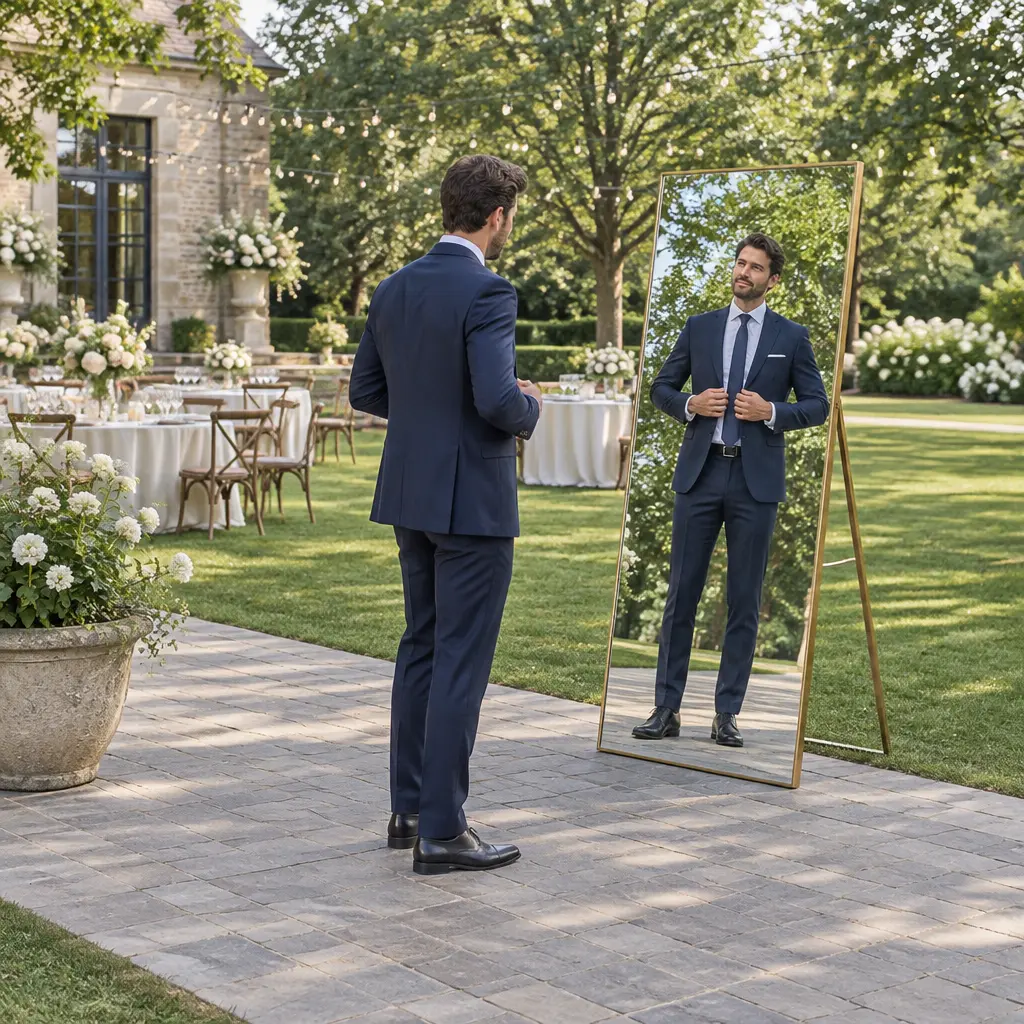
Wedding attire in 2026 means choosing clothing that fits the invitation’s dress code, venue, season, and cultural context while respecting the couple’s wishes. The most reliable approach is to read the invitation, ask the couple or planner if a dress code is unclear, and prioritize comfort alongside formality. This guide explains how to interpret dress codes, choose outfits for different settings and seasons, avoid common etiquette missteps, and use current wedding-industry data as context—not as a substitute for the invitation.
Wedding attire in 2026: the core dress-code principles
Wedding attire is clothing selected for a wedding that aligns with the event’s stated level of formality and practical setting. Emily Post’s etiquette guidance treats the invitation and the hosts’ preferences as key cues; in practice, the venue, time, and season help guests interpret those cues. Dress codes such as white tie, black tie, formal, cocktail, and casual are related categories, or hyponyms, of wedding attire—not interchangeable labels.
The economic context helps explain why guests may be balancing polish with budget. The Knot’s 2025 Real Weddings Study reported a 2024 U.S. average wedding cost of $33,000, based on its survey of couples. That figure is not a measure of guest clothing spending, and it should not be treated as a recommended outfit budget. It does reinforce the value of planning ahead: guests can often adapt an existing outfit with a different shirt, shoes, jacket, jewelry, or accessories rather than buying a complete new look.
White tie and black tie
White tie is the most formal traditional dress code. Guests generally wear floor-length evening gowns or similarly formal attire; the traditional men’s option is a black tailcoat with a white waistcoat and white bow tie. Black tie is slightly less formal, usually calling for a tuxedo or an elegant floor-length or formal evening outfit. If the invitation says “black tie optional,” a tuxedo or formal gown remains appropriate, while a dark suit or refined cocktail-length outfit may also work. The wording on the invitation takes precedence over assumptions based only on the venue.
Formal, cocktail, and semi-formal
Formal attire—sometimes called black-tie optional—usually means a dark suit or tuxedo, or a long gown or polished midi-length outfit. Cocktail attire is dressy but less ceremonial: a suit, dressy separates, or a cocktail dress are common choices. Semi-formal typically allows a suit or blazer with tailored trousers, or a polished dress or coordinated separates. Because “semi-formal” can be interpreted differently, use the time and location as additional clues: an evening reception generally calls for a more elevated version than a daytime celebration.
Casual, festive, and themed attire
Casual wedding attire is not the same as everyday, worn-out clothing. A neat sundress, jumpsuit, chinos, or a pressed shirt may fit, depending on the invitation and location. “Festive” or “creative” attire invites more color, pattern, or personal style while retaining a wedding-appropriate level of polish. For themed or culturally specific celebrations, follow the couple’s instructions rather than guessing; ask whether traditional garments, particular colors, or modest dress are encouraged or required.
Once the dress-code label is clear, the next step is to test the outfit against the actual event conditions. A look that is right for a ballroom may be impractical on grass, sand, or a long outdoor aisle.
Wedding attire in 2026: venue, season, and comfort
Venue-appropriate wedding attire is an outfit that satisfies the dress code while working safely and comfortably in the event’s physical environment. The U.S. National Weather Service provides location-specific climate information and forecasts; checking the forecast close to the wedding can help guests prepare for heat, rain, wind, or cold. The venue itself is also a useful guide, but it does not override a stated dress code.
Outdoor, beach, and garden weddings
For outdoor weddings, consider the ground surface, temperature, and likelihood of changing weather. Block heels, wedges, flats, or dress shoes with stable soles are often more practical than narrow heels on grass or sand. Lightweight, breathable fabrics can help in warm conditions; a jacket, wrap, or light layer can be useful when the temperature drops after sunset. For a beach wedding, choose attire that is polished but easy to move in, and follow any guidance about footwear or walking on sand.
Religious and culturally specific ceremonies
A religious or cultural dress expectation is a venue or ceremony-specific requirement that may involve modest coverage, head coverings, removing shoes, or wearing particular garments. These expectations vary by community and place of worship, so guests should rely on the invitation, wedding website, or direct guidance from the hosts. When coverage is requested, a shawl, jacket, or other appropriate layer can help; do not assume that one tradition’s customs apply to another.
Seasonal choices and weather planning
Seasonal wedding attire adapts fabric, color, and layering to local conditions. For warm-weather events, breathable materials and lighter layers can improve comfort; for cold-weather celebrations, a coat, tights, or warm formal layers may be necessary between locations. The season alone does not determine the dress code: a summer evening wedding can still be black tie, while a winter daytime event may be less formal. Check the forecast for the wedding location rather than relying on a general seasonal assumption.
These practical choices matter because an outfit must work through the ceremony, reception, travel, and photographs—not just look suitable at the start. A final etiquette check helps prevent avoidable distractions.
Wedding attire in 2026: etiquette and common mistakes
Wedding guest attire etiquette is the practice of dressing in a way that respects the couple, ceremony, and other guests. Emily Post’s guidance emphasizes consideration for the hosts and the occasion. Applying that principle means following explicit instructions, avoiding attention-seeking choices, and asking rather than guessing when a detail could cause offense or discomfort.
Respect the couple’s preferences
Do not wear white, ivory, or a close bridal look unless the couple specifically invites guests to do so. Avoid outfits that are excessively revealing, visibly casual, or likely to draw focus from the wedding party. These are practical etiquette conventions rather than universal laws; cultural customs and the couple’s stated preferences should guide the decision. If the invitation requests a particular palette or dress style, treat that request as part of the dress code.
Use the invitation as the authority
When an invitation or wedding website specifies attire, follow it rather than relying on a friend’s guess or an assumption based on the venue. If no dress code is listed, consider the ceremony time, location, and formality of the event, then ask the couple, planner, or a member of the wedding party if uncertainty remains. A concise question is more useful than arriving underdressed or overdressed and feeling uncomfortable all day.
Plan for movement and the full event
A wedding outfit should allow guests to sit, walk, eat, and dance comfortably. Try on the full look before the event, including shoes and outerwear, and check that hems, straps, closures, and pockets work as intended. Consider transportation and the distance between ceremony and reception locations. A backup layer or weather-appropriate footwear can be more useful than a last-minute change that conflicts with the dress code.
Wedding attire in 2026: a simple outfit-planning checklist
Use this sequence to turn the invitation into a practical outfit decision:
- Identify the exact dress-code wording, including qualifiers such as “optional,” “creative,” or “festive.”
- Check the ceremony and reception locations, timing, cultural guidance, and any wedding-website notes.
- Choose an outfit that matches the stated formality, then adapt fabric and layers to local weather.
- Select footwear that suits the terrain and lets you move comfortably.
- Check for avoidable etiquette issues, especially bridal-white colors or clothing that conflicts with the couple’s stated preferences.
- Ask the hosts or planner if an important detail remains unclear.
For example, a guest attending a formal summer garden wedding might choose a refined suit or formal dress, breathable fabric, and stable shoes for grass, then bring a light layer for the evening. The same outfit would not automatically suit a black-tie ballroom wedding or a casual beach ceremony; dress code and setting work together.
Conclusion: choose wedding attire that fits the invitation
Wedding attire in 2026 is best chosen by combining the dress-code category with the venue, season, cultural context, and the couple’s preferences. White tie, black tie, formal, cocktail, semi-formal, casual, and festive attire each signal different expectations, while weather and terrain shape the most comfortable version of an appropriate outfit. Read the invitation carefully, plan for the full event, and ask a direct question when necessary. For further guidance, consult Emily Post’s wedding-etiquette resources and the wedding website, then check the local forecast before you travel.
Sources: Emily Post Institute, Wedding Guest Attire and Wedding Etiquette guidance, https://emilypost.com/advice/wedding-guest-attire; The Knot, 2025 Real Weddings Study, https://www.theknot.com/content/average-wedding-cost; National Weather Service, Weather Forecasts, https://www.weather.gov/.