
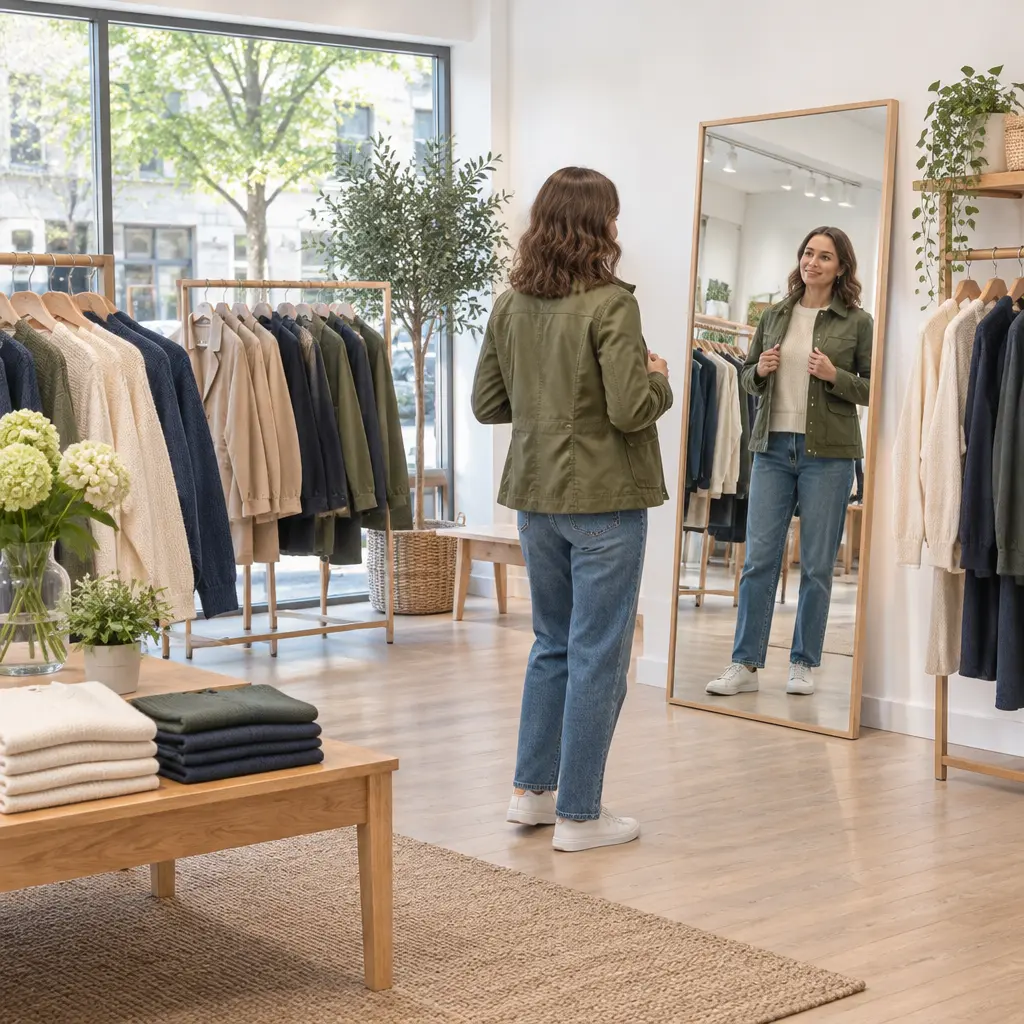
Women’s fashion trends for real lives are clothing ideas that balance personal style with comfort, durability, budget, and the demands of everyday routines. Rather than treating runway looks or influencer feeds as rules, shoppers can adapt trends to work, caregiving, commuting, weather, and leisure. That practical approach matters in a clothing market shaped by spending pressures and environmental costs: the U.S. Bureau of Labor Statistics reported that consumer units spent an average of $2,041 on apparel and related services in 2023, while the United Nations Environment Programme has highlighted fashion’s substantial contribution to global emissions and waste. This guide explains how to identify wearable trends, choose useful fabrics and fits, build adaptable outfits, and shop more thoughtfully.
Everyday wearability defines women’s fashion trends for real lives
Wearability is the degree to which a garment suits the wearer’s activities, comfort needs, climate, budget, and care routine. It is not a formal fashion-industry measurement, but a practical decision-making standard: a trend is useful when it can be worn in a person’s actual life, not just photographed well. The Fashion Institute of Technology’s museum and educational resources describe fashion as connected to culture, identity, and daily life, helping explain why personal context matters as much as seasonal styling.
Useful trends often share several traits: comfortable movement, repeatable outfit combinations, manageable care, and enough versatility to work across more than one setting. The categories below—comfort-first dressing, adaptable basics, and practical trend updates—show how to translate that definition into a wardrobe.
Comfort-first dressing supports movement
Comfort-first dressing prioritizes fit, breathable or appropriately warm materials, and freedom of movement. Examples include pull-on trousers with a polished finish, soft knits, supportive flat shoes, and dresses that do not require constant adjustment. The CDC’s guidance on physical activity emphasizes choosing activities suited to individual ability and circumstances; similarly, clothing should accommodate the wearer’s movement and daily tasks rather than impose unnecessary restrictions.
Comfort is personal, so fabric labels and fit descriptions are starting points rather than guarantees. A person who commutes on foot may value cushioning and weather resistance, while someone who works at a desk may prioritize stretch and temperature control. Trying garments while sitting, walking, and reaching can reveal problems that a static mirror check misses.
Adaptable basics reduce outfit friction
Adaptable basics are reliable pieces that combine with multiple items and suit recurring situations. Straight-leg trousers, a well-fitting T-shirt, a cardigan, a versatile skirt, and weather-appropriate outerwear can form a foundation without requiring a strict capsule-wardrobe formula. The benefit is practical: each piece has a clear role, and getting dressed becomes easier when several items work together.
A simple wardrobe audit can identify gaps. Note the settings a typical week requires, the pieces worn repeatedly, and items that remain unused because of fit, care, or styling difficulties. This turns shopping from trend-chasing into problem-solving—for example, replacing an uncomfortable work shoe or finding a layer that works both indoors and outdoors.
Practical trend updates make style personal
A practical trend update is a limited addition that refreshes outfits without requiring a complete wardrobe overhaul. A current color, a textured bag, a modern denim shape, or a new accessory can bring familiar clothing up to date. The key is to test a trend against existing pieces, comfort preferences, and expected cost per wear.
For instance, someone curious about a wider trouser silhouette could try one pair with shoes and tops already in the closet before buying several versions. This small-scale approach preserves experimentation while reducing the chance of accumulating clothes that do not fit real routines.
Functional fit and fabric make women’s fashion trends wearable
Functional fit and fabric describe how a garment’s shape, construction, and material perform during use. They connect directly to wearability: a stylish item may still be a poor choice if it restricts movement, feels uncomfortable in the local climate, or requires care the wearer cannot maintain. The U.S. Federal Trade Commission requires clothing labels to identify fiber content and care instructions, giving shoppers practical information to assess before purchase.
Fit should work across real activities
A functional fit allows a garment to sit comfortably while the wearer stands, sits, bends, and moves. Fit is not the same as a particular size: sizing varies across brands, and body proportions differ. Check shoulder seams, waist comfort, sleeve reach, garment length, and whether closures stay secure during movement. Where available, alterations can improve a useful garment’s fit and extend its life.
Online shoppers can compare garment measurements with a well-fitting item they already own and review return policies before ordering. Customer reviews may reveal recurring issues such as sheerness or shrinkage, but they are individual experiences rather than standardized product tests.
Fabric choice should match climate and care
Fabric choice affects warmth, airflow, drape, durability, and laundering. Cotton, linen, wool, viscose, polyester, and blended fabrics each behave differently, and construction can matter as much as fiber type. A lightweight layer may suit changing indoor temperatures, while a lined coat may be more useful in a cold, wet climate. Reading care labels helps shoppers judge whether an item fits their available time and laundry setup.
No single fiber is automatically best for every wearer or purpose. A practical comparison considers comfort, expected use, repairability, and care instructions together. For sensitive skin, for example, the feel of seams, labels, and fabric against the body may be more important than whether a material is currently fashionable.
Shoes and layers complete the practical outfit
Shoes and outer layers determine whether an outfit works in transit and changing conditions. A refined sneaker, supportive loafer, or weather-ready boot can make a trend more useful, while a removable cardigan, jacket, or overshirt helps adapt to temperature shifts. The National Weather Service’s guidance to dress appropriately for weather conditions reinforces a simple wardrobe principle: plan for the conditions a day is likely to bring, not just the indoor destination.
Versatile outfit planning connects trends to daily routines
Versatile outfit planning means combining garments so they can serve several settings with modest adjustments. It links personal style with time, budget, and practical needs. Instead of buying an outfit for every occasion, shoppers can identify repeatable combinations and add or remove layers, accessories, or shoes to change the level of formality.
Workwear can bridge professional and casual settings
Workwear is clothing selected for a job’s dress expectations and tasks. For hybrid schedules or informal workplaces, a knit top with tailored trousers, a washable dress with a layer, or a jacket over a simple base can move between meetings and errands. People in uniformed, safety-sensitive, or physically demanding roles should follow workplace requirements first; style choices must not replace protective equipment or dress-code compliance.
Occasion dressing can use repeatable pieces
Occasion dressing is the adjustment of an outfit for events such as dinners, celebrations, or interviews. A versatile dress or matching separates can be restyled with different shoes, jewelry, or a jacket rather than treated as a single-use purchase. Before buying, consider the event’s setting, expected weather, comfort needs, and whether the item can be worn again in a different combination.
A weekly outfit plan reveals useful wardrobe gaps
A weekly outfit plan is a short review of upcoming activities and the clothes needed for them. It can expose a genuine gap—such as a warm layer, a comfortable work shoe, or an easy-care top—before that gap becomes an impulse purchase. A simple chart can list each day, activity, expected weather, and planned outfit; repeated use of the same item is evidence of usefulness, not a style failure.
Budget-conscious and lower-waste choices support lasting style
Budget-conscious and lower-waste fashion focuses on using clothing longer, buying with intention, and considering the full life of a garment. The U.S. Bureau of Labor Statistics’ Consumer Expenditure Survey reported average annual apparel and related-services spending of $2,041 per consumer unit in 2023. The figure is a national average, not a recommended budget, but it shows why cost and value matter to everyday wardrobe decisions.
The United Nations Environment Programme has described fashion as a significant source of environmental pressure, including emissions, water use, and waste. The exact impact varies by product and supply chain, so a single purchase decision cannot solve the industry’s wider challenges. Still, wearing garments more often, repairing them, and avoiding unnecessary replacements are practical ways to reduce avoidable consumption.
Cost per wear offers a useful comparison
Cost per wear is the purchase price divided by the number of times an item is worn. A $90 jacket worn 90 times costs $1 per wear before care costs; a $30 top worn three times costs $10 per wear. This calculation is an estimate, not a complete measure of quality or value, but it can help compare a durable staple with an inexpensive item likely to be used rarely.
Secondhand shopping and clothing repair extend use
Secondhand shopping gives usable clothing another owner and may offer access to a wider range of prices and styles. Fit, condition, cleaning needs, and return options deserve careful checking, particularly for online purchases. Basic repairs—replacing a button, mending a seam, or fixing a hem—can also keep a favorite garment in rotation. The best option depends on the item’s condition, repair cost, and the wearer’s needs.
Care habits help garments last
Care habits include following labels, washing only when needed, storing garments appropriately, and addressing small damage early. The FTC’s care-labeling rules help consumers understand recommended garment care, though instructions can differ by material and construction. When in doubt, follow the label and the manufacturer’s guidance rather than assuming every fabric can be washed or dried the same way.
A practical method turns fashion trends into personal choices
A simple decision process can help distinguish a useful trend from a short-lived distraction. Start with an actual wardrobe need, check whether the item suits regular activities, and consider how it combines with clothing already owned. Then compare fit, fabric, care, price, and likely use. This method leaves room for creativity while keeping comfort and value in view.
- Identify the activity or wardrobe gap the item would address.
- Check fit and comfort through the movements the day requires.
- Review fabric, care instructions, climate suitability, and durability.
- Try at least two combinations with pieces already in the wardrobe.
- Estimate likely use and cost per wear, then consider resale, repair, or return options.
For example, a parent who walks children to school and then works from home might prioritize weather-ready shoes, washable layers, and trousers comfortable for movement. A professional who travels by public transit may value a compact layer, secure pockets, and fabrics that recover well from sitting. These examples show why useful style is shaped by routine rather than by a universal trend checklist.
Conclusion: women’s fashion trends for real lives begin with usefulness
Women’s fashion trends become more relevant when they are assessed through everyday wearability, functional fit and fabric, versatile outfit planning, and thoughtful spending. Comfort-first pieces and adaptable basics create a reliable foundation; selective trend updates add personal expression. Careful shopping, repair, and repeated wear can also support household budgets and reduce unnecessary clothing waste.
Use these ideas as a starting point: review the clothes you already wear, identify one genuine wardrobe need, and choose a piece that fits your routine as well as your style. For further context, consult the Bureau of Labor Statistics’ consumer spending data, the Federal Trade Commission’s clothing-label guidance, and the United Nations Environment Programme’s work on fashion’s environmental impacts.
Sources: U.S. Bureau of Labor Statistics, Consumer Expenditures—2023, https://www.bls.gov/news.release/cesan.nr0.htm; Federal Trade Commission, Care Labeling of Textile Wearing Apparel and Certain Piece Goods, https://www.ftc.gov/legal-library/browse/rules/care-labeling-textile-wearing-apparel-certain-piece-goods; United Nations Environment Programme, Sustainability and Circularity in the Textile Value Chain: Global Stocktaking, https://www.unep.org/resources/publication/sustainability-and-circularity-textile-value-chain-global-stocktaking; Centers for Disease Control and Prevention, Physical Activity Basics, https://www.cdc.gov/physical-activity-basics/; National Weather Service, Weather Safety, https://www.weather.gov/safety/; Fashion Institute of Technology, Museum at FIT, https://www.fitnyc.edu/museum/.


