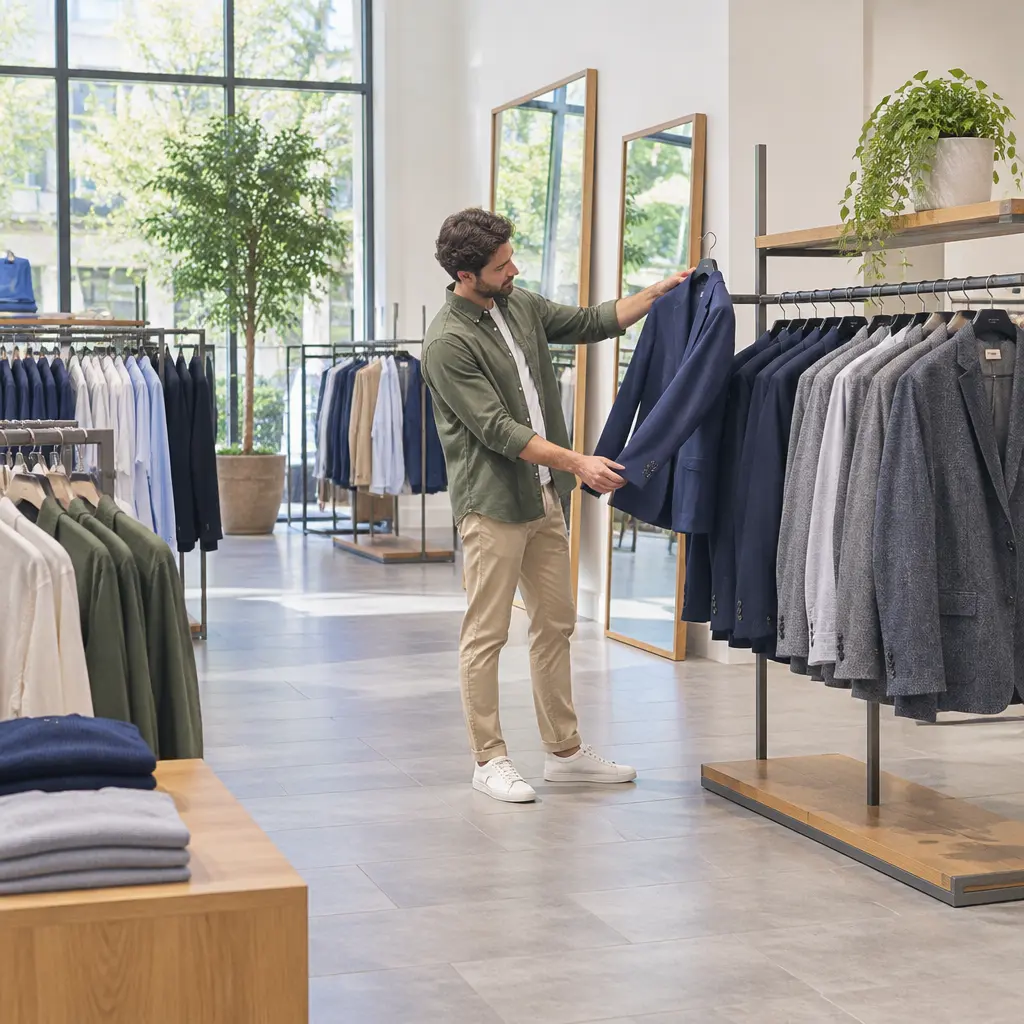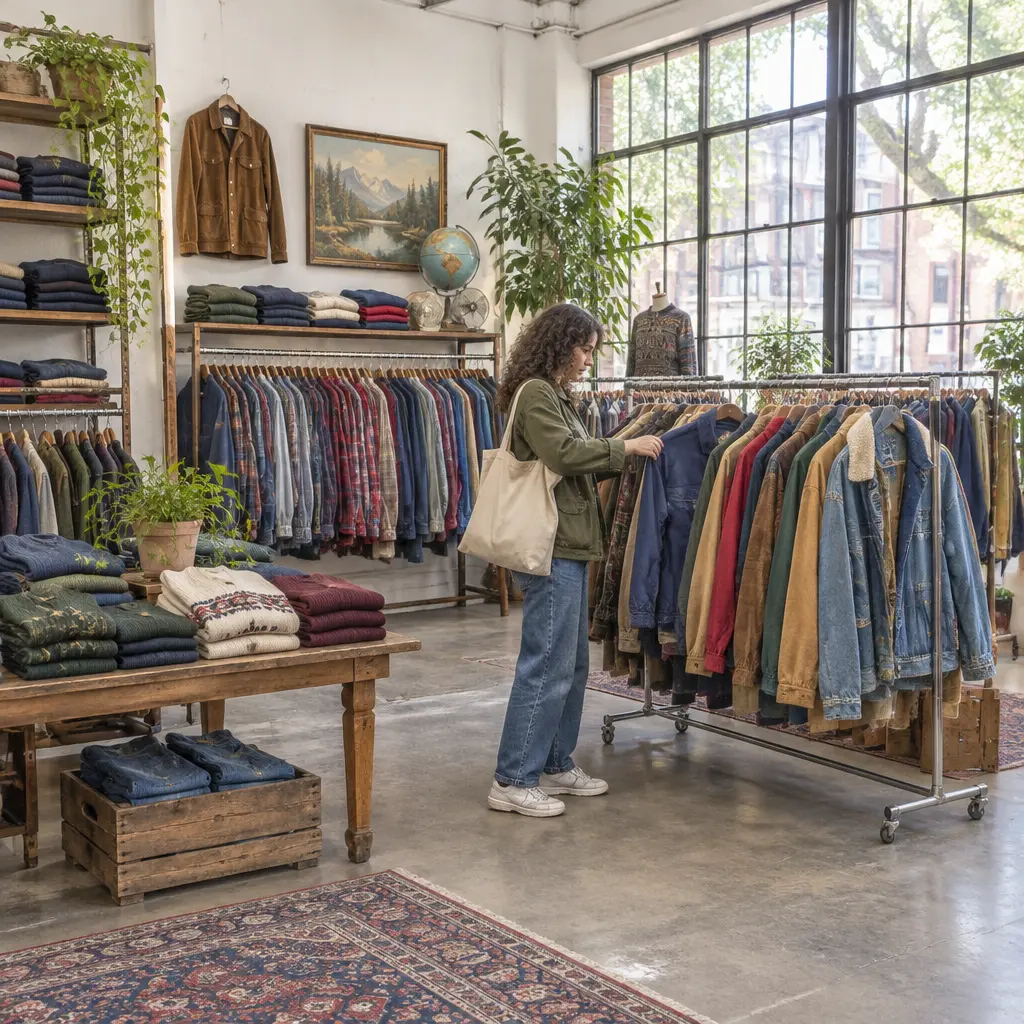
Fashion trends that refuse to die are styles that repeatedly return because they are practical, recognizable, and easy for new generations to reinterpret. Denim jeans, leather jackets, sneakers, and enduring silhouettes such as the trench coat have outlasted individual fashion cycles: their staying power is visible in decades of cultural reinvention and in the scale of today’s apparel market. This article explains what makes a trend durable, traces the history of several lasting styles, and considers how resale, celebrity influence, and changing ideas about sustainability help bring them back.
Fashion’s lasting trends: what makes a style endure?
A fashion trend is a style, item, or way of wearing clothes that gains popularity within a particular period. A “trend that refuses to die” is not necessarily popular every year; rather, it survives as a recognizable wardrobe staple or returns in cycles after periods of decline. Fashion historians and museum collections offer one way to trace those cycles, while market reports and resale platforms show how consumers continue to buy and recirculate familiar items.
Enduring trends tend to combine utility, adaptability, and cultural meaning. Jeans work across settings and price points; sneakers have moved from sports equipment into everyday dress; and leather jackets can signal anything from rebellion to luxury. Their longevity matters because clothing is a major consumer market and because repeated wear, repair, and resale can affect how much value a garment delivers over time. The Ellen MacArthur Foundation has estimated that the average number of times a garment is worn before it is discarded fell by 36% between 2000 and 2015, a reminder that durable design and continued use are not automatic.
Fashion trend longevity: the attributes behind repeat popularity
Fashion trend longevity describes a style’s capacity to remain in use or return to prominence across changing seasons and generations. It is not a formal measure with one universal definition. In practical terms, longevity can be assessed through historical continuity, repeated adoption by different groups, availability in the market, and continued reinterpretation by designers and wearers.
The main categories of persistent fashion include functional basics, subcultural or identity-linked styles, and recurring silhouettes. These categories overlap: a practical item can become a cultural symbol, while a silhouette can remain familiar even as its fabrics and proportions change. From that distinction, it is easier to see why a handful of trends recur more reliably than short-lived seasonal novelties.
Utility and durability
Utility-driven fashion includes garments first valued for work, weather protection, or movement. Denim jeans, trench coats, and leather outerwear fit this category. Their practical origins do not fully explain their popularity, but they gave these styles a reason to exist before they became fashion statements. A well-made version can also be repaired or worn in multiple contexts, extending its useful life.
The U.S. National Park Service notes that Levi Strauss and Jacob Davis patented riveted work pants in 1873. The reinforced design helped make denim trousers suitable for demanding labor, and later generations adopted them as everyday clothing. Their passage from workwear to mainstream fashion illustrates a recurring pattern: a functional design becomes a cultural shorthand, then gets revised through washes, cuts, and styling.
Cultural identity and reinvention
Some trends persist because people use them to express affiliation, attitude, or personal identity. Leather jackets became associated with motorcycling and later with youth culture and screen icons. Sneakers similarly moved beyond sport, becoming markers of music, streetwear, collecting, and everyday comfort. The item remains recognizable, but its meaning shifts with each community that adopts it.
Fashion collections and exhibitions document this process: museum displays often place garments alongside photographs, advertising, and popular culture to show how clothing acquires meaning. The Smithsonian’s National Museum of American History, for example, has documented the cultural history of blue jeans, connecting their workwear beginnings with their later status as symbols of American life and global popular culture.
Silhouettes that cycle back
A silhouette is the overall outline or shape created by clothing. Unlike a particular logo or fabric, a silhouette can return in altered form: the trench coat may be oversized or sharply tailored, while a familiar sneaker profile can be refreshed with new materials. These revivals allow designers to signal nostalgia without simply reproducing an earlier outfit.
Fashion’s cyclical nature is especially visible when older styles are reinterpreted for new occasions. A classic cut may reappear through vintage shopping, runway collections, or social media styling, then change as wearers combine it with contemporary pieces. The result is continuity without exact repetition.
Denim jeans: workwear that became a wardrobe constant
Denim jeans are trousers made from denim, a sturdy cotton twill fabric. Their history shows how a practical garment can persist by adapting to new uses. After the 1873 patent for riveted work pants, jeans spread beyond labor settings and became associated with youth, music, film, and casual dress. Their durability and broad range of fits help explain why they remain a staple rather than a single passing look.
From labor garment to popular culture
Jeans gained wider cultural visibility during the twentieth century, when films and music helped associate them with independence and youthful rebellion. Over time, that image expanded: jeans became ordinary clothing for people across ages and social settings. The Smithsonian’s historical accounts of denim emphasize this transformation from workwear to a widely recognized cultural garment.
The style has endured partly because “jeans” describes a flexible category rather than one fixed design. Straight-leg, bootcut, wide-leg, skinny, distressed, and dark-rinse versions can all coexist. That variety lets the underlying item remain familiar while its fashionable details change.
Why jeans keep returning
Jeans are easy to style across casual wardrobes, and they can be altered through tailoring, patching, or changes in wash and cut. Resale also keeps older pairs in circulation. ThredUp’s 2024 Resale Report, prepared with GlobalData, estimated that the U.S. secondhand apparel market grew 11% in 2023, faster than the broader clothing market. That figure covers secondhand apparel overall, not jeans alone, but it indicates a larger market that can help familiar garments find new owners.
Sneakers: athletic footwear becomes everyday fashion
Sneakers are flexible-soled shoes originally designed for sport and physical activity. Their enduring appeal comes from comfort, technical innovation, and a cultural life that extends well beyond athletics. Today, sneakers are worn with casual clothes and, increasingly, with outfits that mix formal and informal elements.
Sport, streetwear, and collecting
Sports endorsements, music, and streetwear have made sneakers powerful cultural objects. Limited releases and collaborations can turn some pairs into collectibles, while basic designs remain accessible everyday footwear. This range—from practical shoes to sought-after editions—allows sneaker culture to sustain both broad participation and niche enthusiasm.
The broader footwear market is substantial, but market estimates vary according to the categories and regions counted. Rather than treating one forecast as a direct measure of sneaker popularity, the more reliable indicator is the shoe’s visible crossover into everyday dress and the continued business of athletic brands, fashion labels, and resale marketplaces.
The sneaker’s repeated reinvention
Sneaker design can change through sole construction, color, material, and collaboration while retaining recognizable shapes. Retro releases draw on earlier models, and new versions connect that history to current tastes. The cycle gives brands a way to sell heritage and novelty at once—and gives wearers a familiar item that can still feel current.
Leather jackets and trench coats: outerwear with lasting character
Leather jackets and trench coats are enduring outerwear styles whose practical origins have become part of their appeal. The leather jacket is associated with protection and subcultural identity; the trench coat with weather resistance and a tailored, recognizable shape. Both can be updated through changes in length, fit, color, and material without losing their basic visual identity.
Leather jackets as identity pieces
A leather jacket is an outer garment made from animal hide or a substitute material. Its image has been shaped by military and motorcycling uses, as well as by film and music. That history allows the same garment to read as rugged, rebellious, polished, or fashionable, depending on its cut and styling.
Modern alternatives, including synthetic leather, broaden the available price and material choices, though they differ in durability and environmental impacts. The style’s continued presence in both vintage markets and contemporary collections illustrates how a strong visual identity can outlast any one trend cycle.
The trench coat’s practical silhouette
A trench coat is a long, belted coat traditionally designed for wet weather. Its recognizable details—such as a double-breasted front, belt, and storm-flap styling—make it legible even when designers alter its proportions. The coat’s usefulness across seasons and ability to layer over workwear or formal clothes support its continued relevance.
Outerwear trends also benefit from longevity because coats are often purchased as investment pieces and worn repeatedly. The Ellen MacArthur Foundation’s estimate that garment use between purchase and disposal declined 36% from 2000 to 2015 underscores the value of extending wear through care, repair, and thoughtful purchasing.
Resale and sustainability: why old trends find new life
Resale is the purchase and sale of previously owned goods. In fashion, it connects vintage shopping, online marketplaces, consignment stores, and peer-to-peer exchanges. Resale can help enduring trends return by making older designs available again, often with distinctive materials or details that are difficult to find in new collections.
ThredUp’s 2024 report, based on research by GlobalData, estimated that the global secondhand apparel market reached $197 billion in 2023 and projected it could reach $350 billion by 2028. These are industry estimates, not official government statistics, but they indicate the growing commercial role of secondhand clothing. They also help explain why classic garments such as jeans, coats, and sneakers can circulate across multiple owners and trend cycles.
Reuse is not the same as automatic sustainability
Buying secondhand may extend a garment’s life, but the environmental benefit depends on what it replaces, how it is shipped, and whether consumers buy more than they otherwise would. The United Nations Environment Programme identifies the textile value chain as a significant environmental concern, including impacts from production, consumption, and waste. Longer use, repair, and careful purchasing are therefore important alongside resale.
For consumers, a practical approach is to choose items that fit well, can be maintained, and work with existing clothes. For brands, repair services, durable construction, and take-back or resale programs can support longer garment use. These measures do not make every fashion purchase sustainable, but they address the short life cycles that contribute to waste.
Conclusion: enduring fashion is designed to be reinterpreted
Fashion trends that refuse to die persist because they offer more than novelty. Denim jeans combine utility with cultural history; sneakers unite comfort, sport, and streetwear; and leather jackets and trench coats retain recognizable forms while adapting to new tastes. Their longevity is strengthened by practical design, identity, changing silhouettes, and resale—but continued popularity does not guarantee responsible production or use.
The broader lesson is to distinguish a lasting wardrobe staple from a short-lived purchase. Explore museum fashion collections and trusted resale options, care for garments you already own, and choose pieces you expect to wear repeatedly. Those choices help make fashion’s cycles more useful—and potentially less wasteful.
Sources: National Park Service, “The History of Blue Jeans,” https://www.nps.gov/articles/000/the-history-of-blue-jeans.htm; Smithsonian National Museum of American History, “The History of Blue Jeans,” https://americanhistory.si.edu/collections/object-groups/american-enterprise/business-of-fashion/blue-jeans; Ellen MacArthur Foundation, “A New Textiles Economy: Redesigning Fashion’s Future,” https://ellenmacarthurfoundation.org/a-new-textiles-economy; ThredUp, 2024 Resale Report, https://www.thredup.com/resale; United Nations Environment Programme, “Sustainability and Circularity in the Textile Value Chain,” https://www.unep.org/resources/report/sustainability-and-circularity-textile-value-chain