
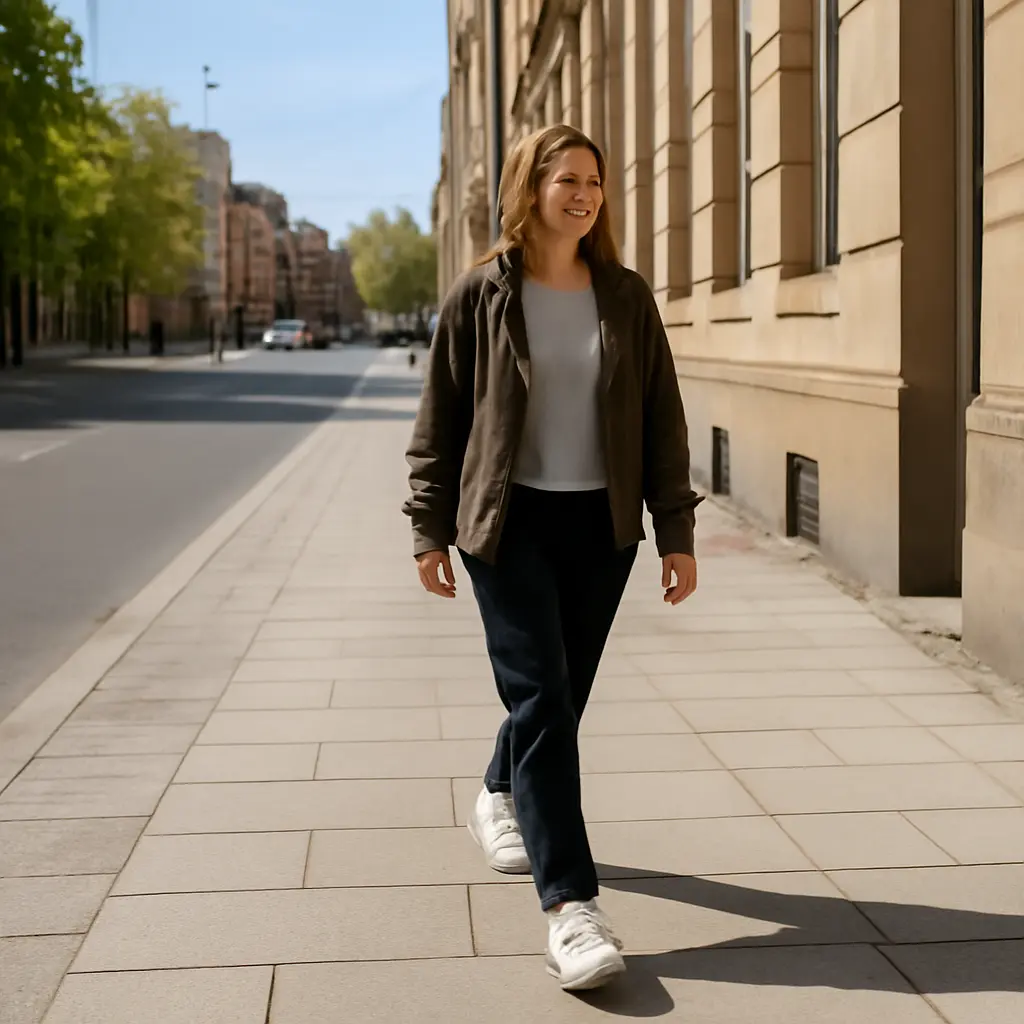
Chunky sneakers have become the uniform of stylish women because they solve a modern wardrobe problem: how to look deliberate while staying comfortable. These shoes—typically defined by thick, sculptural soles and visibly substantial proportions—can make simple outfits feel fashion-forward, balance loose or oversized clothes, and borrow credibility from both luxury runways and streetwear. Their appeal also reflects a broader shift toward casual dressing: the U.S. Bureau of Labor Statistics reported that Americans spent an average of $1,945 on footwear in 2023, while fashion coverage and brand launches have repeatedly shown athletic-inspired shoes moving into everyday wardrobes. The trend is not just about comfort; it is about proportion, versatility, and the way a conspicuous shoe can give an outfit a clear point of view.
Chunky sneakers define stylish women’s everyday footwear
“Chunky sneaker” is a style description rather than a technical footwear category. It generally refers to a sneaker with an exaggerated or thick midsole, a broad profile, layered materials, or a visually weighty shape. Fashion writer and trend forecaster Lidewij Edelkoort has described the wider “ugly” fashion movement as a challenge to conventional ideas of beauty; chunky footwear fits that shift by making unusual proportions part of the appeal. The silhouette is designed to be noticed, not to disappear beneath an outfit.
That visibility helps explain why the shoe works as a styling tool. A substantial sneaker can ground wide-leg trousers, offset a flowing dress, or add contrast to a neat blazer-and-jeans combination. It also makes casual clothing look more intentional: the shoe becomes the outfit’s anchor rather than a purely functional afterthought. The result is a practical uniform—repeatable, comfortable, and easy to personalize.
The silhouette includes several distinct sneaker types
Not every substantial sneaker looks the same. “Dad sneakers” usually have a retro running-shoe shape, layered panels, and a thick sole; platform sneakers emphasize height through a relatively uniform raised sole; trail-inspired sneakers use rugged tread and technical details; and sculptural fashion sneakers exaggerate curves, cutouts, or mixed materials. These are related styles, but their different shapes create different effects: a retro runner reads sporty, a platform feels graphic, and a trail shoe introduces an outdoorsy edge.
Recognizing those variations makes the trend easier to wear. A low-contrast sneaker in cream, gray, or black can act almost like a neutral, while a brightly colored or highly layered pair becomes the focal point. The shared feature is visual weight, which leads directly to the shoe’s most useful styling quality: proportion.
Chunky sneakers create balance through proportion
Proportion is the relationship between an item’s scale and the rest of an outfit. Chunky sneakers attract attention because their soles and uppers look larger than those of minimalist trainers. Rather than treating that weight as a flaw, stylish dressers use it to balance generous shapes and add contrast to streamlined ones. This is why the shoes often look especially natural with relaxed trousers, oversized outerwear, and long skirts.
They ground oversized and wide-leg clothing
Wide-leg jeans, baggy trousers, and roomy jackets carry considerable visual volume. A very delicate flat or narrow sneaker can seem out of scale beneath them, while a substantial shoe creates a more even visual foundation. A practical combination is a loose trouser, a fitted or tucked-in top, and a sneaker whose color relates to another part of the outfit. The shoe does not have to match; repeating a color or texture simply helps the pieces feel connected.
The same balancing principle works with long skirts and dresses. A chunky sole gives a fluid hemline a more casual, contemporary counterpoint, avoiding the overly precious effect that can come from pairing a romantic dress only with delicate shoes. The contrast makes the outfit feel styled rather than strictly formal.
They make simple outfits look intentional
A substantial sneaker can supply the visual interest that an otherwise basic outfit lacks. Jeans and a white shirt, for example, can look more considered when the footwear has an unusual shape, contrasting panels, or a distinctive sole. This is a useful form of “one statement piece” dressing: keep the rest simple and allow the shoe to carry the outfit’s personality.
That approach also explains the appeal of neutral chunky sneakers. White, beige, charcoal, and muted metallic shades preserve the silhouette’s impact without demanding elaborate color coordination. Once proportion explains the shoe’s visual role, comfort helps explain why it has become a repeat-wear favorite.
Chunky sneakers combine comfort with everyday versatility
Comfort is a major reason sneakers have moved from sportswear into daily fashion, but a thick sole alone does not guarantee a comfortable shoe. Fit, weight, flexibility, cushioning, and the wearer’s activity all matter. The American Podiatric Medical Association advises choosing footwear that fits properly and provides appropriate support; shoppers should therefore assess a chunky sneaker by how it feels on their feet, not by its appearance or platform height.
The trend fits the casualization of dress
The rise of hybrid work, more relaxed dress codes, and practical city wardrobes has made polished casual clothing a routine choice. Sneakers can move between errands, commuting, travel, and informal social plans in a way that many dress shoes cannot. Chunky designs add a fashion signal to that convenience: they retain the ease of a sneaker while looking more deliberate than a plain gym shoe.
Spending data provides context for the scale of the footwear market, though it should not be mistaken for proof that chunky sneakers alone caused a trend. The U.S. Bureau of Labor Statistics’ Consumer Expenditure Survey reported average annual footwear spending of $1,945 per consumer unit in 2023. That figure covers footwear broadly, not a specific style, but it illustrates why shoes remain a meaningful part of household clothing purchases and personal style choices.
One pair can work across multiple wardrobe categories
Chunky sneakers are unusually adaptable because they sit between athletic and fashion footwear. With denim and a T-shirt, they look relaxed; with tailored trousers, they soften office-inspired clothing; with a dress, they create a deliberate high-low contrast. Their versatility depends on choosing the right design for the setting. A clean leather or monochrome pair tends to look more refined, while a mesh runner with bright panels reads more overtly sporty.
For practical wear, shoppers should also consider whether the shoe is too heavy for long walks, whether the sole bends naturally, and whether the upper suits the weather. “Chunky” describes appearance, not performance. This distinction matters especially as the trend moves from street style into designer fashion and brand storytelling.
Chunky sneakers connect streetwear, nostalgia, and luxury fashion
The contemporary chunky sneaker draws on several fashion histories at once: retro running shoes, 1990s sportswear, streetwear, and luxury fashion’s taste for exaggerated proportions. Its popularity is partly a result of that crossover. A shoe can feel familiar because it recalls an older athletic design, yet feel current because its scale or materials have been reworked for fashion.
Retro “dad sneakers” turn nostalgia into a styling choice
The “dad sneaker” label typically describes a deliberately old-fashioned running-shoe appearance: rounded toes, layered synthetic or mesh panels, and a thick, sometimes irregular midsole. Balenciaga’s Triple S, introduced in 2017, became a prominent luxury example and helped bring the bulky silhouette into mainstream fashion coverage. The style’s joke-like name also reflects its appeal: a shoe once associated with ordinary comfort became fashionable precisely because it resisted sleek, polished ideals.
Nostalgia makes the look accessible, while styling gives it a contemporary edge. Wearing a retro runner with tailored clothing, a slip skirt, or a modern coat changes its context. The shoe is no longer simply a throwback; it becomes a contrast between practical sportswear and considered dressing.
Designer versions give the shape fashion authority
When luxury brands reinterpret athletic footwear, they help shift a practical object into a fashion statement. High-profile runway styling, celebrity visibility, and retail merchandising can all increase a silhouette’s cultural reach. However, the trend does not depend on buying a luxury label: the defining feature is shape, and a well-proportioned, affordable pair can create the same outfit effect.
That distinction is important because the sneaker’s appeal is more about visual language than price. A shopper can choose a restrained design for everyday use or a more sculptural pair for impact. Either way, the style works best when it relates to the wearer’s actual wardrobe rather than being treated as a must-have in isolation.
How to choose and style chunky sneakers
The most wearable pair is not necessarily the biggest or most dramatic. It is the one that fits well, suits the wearer’s routine, and balances the clothes already in the closet. A few choices can make the trend feel personal rather than costume-like.
- For a subtle everyday option, choose a limited palette and a moderate sole.
- For wide trousers or long skirts, check that the hem does not completely swallow the shoe.
- For a statement look, let the sneaker lead and keep other accessories comparatively simple.
- For walking, prioritize fit, cushioning, stability, and weight over platform height.
- For longevity, clean the materials according to the manufacturer’s care instructions and avoid wearing a pair beyond its comfort or support.
A useful visual guide would compare the same outfit with a slim sneaker, a retro runner, and a platform style: it would show how shoe volume changes the outfit’s proportions even when the clothing remains constant. That comparison captures the trend’s central lesson—chunky sneakers are not merely comfortable shoes, but a styling choice that changes the balance and mood of an outfit.
Conclusion: why chunky sneakers became a style uniform
Chunky sneakers became a uniform for stylish women because they bring together three useful qualities: visual weight that balances contemporary silhouettes, everyday comfort that suits casual wardrobes, and a fashion history shaped by nostalgia, streetwear, and luxury design. Their many forms—from dad sneakers and platform pairs to trail-inspired styles—make the trend adaptable rather than prescriptive. The best way to wear them is to choose a comfortable pair that supports real daily needs, then use its shape to ground, contrast, or enliven an outfit. For further exploration, compare silhouettes in person and consider how each one works with clothes already in your wardrobe.
Sources: U.S. Bureau of Labor Statistics, Consumer Expenditure Surveys, 2023, https://www.bls.gov/cex/; American Podiatric Medical Association, Shoe Basics, https://www.apma.org/Patients/FootHealth.cfm?ItemNumber=982; Business of Fashion, Balenciaga’s Triple S and the Rise of the Ugly Sneaker, https://www.businessoffashion.com/; Vogue, The Rise of the Chunky Sneaker, https://www.vogue.com/


